
Signs Your Water Heater in Corpus Christi Is Close to Failing
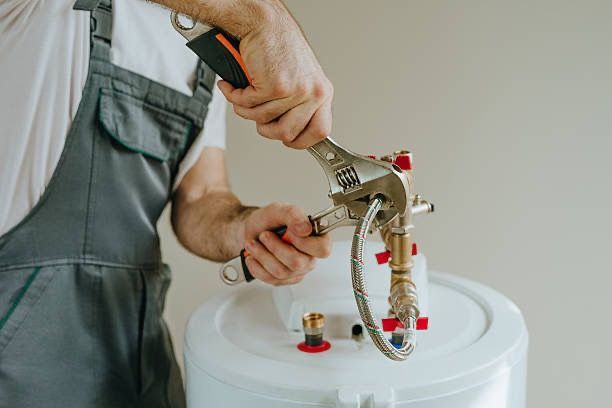
How to Tell Your Water Heater Is About to Break Down
Most homeowners in Corpus Christi don’t think much about their water heater, until it suddenly stops working.
One day everything seems normal. The next, you’re dealing with:
- Ice-cold showers
- Water leaking around the tank
- Strange noises coming from the garage
- Rust-colored water
- Higher energy bills
The problem is that water heaters rarely fail without warning. In most cases, the system gives homeowners several signs before complete breakdown happens.
If you know what to look for, you may be able to avoid emergency repairs, water damage, and the inconvenience of losing hot water unexpectedly.
This guide explains the most common signs your water heater in Corpus Christi is close to failure, what causes these issues, and when it’s time to call a professional plumber.
Why Water Heaters Eventually Fail
Water heaters work hard every single day.
They constantly:
- Heat water
- Store pressurized water
- Cycle on and off repeatedly
Over time, normal wear and tear begins affecting internal components like:
- Heating elements
- Valves
- Tanks
- Anode rods
- Thermostats
In areas like Corpus Christi, mineral buildup and hard water conditions can accelerate the aging process even faster.
Many homeowners assume:
- Water heaters fail suddenly without warning
- Small issues aren’t serious
- Older systems can keep running indefinitely
But most failing water heaters show warning signs long before they completely stop working.
Signs Your Water Heater Is Close to Failing
Recognizing early warning signs can help homeowners avoid major plumbing emergencies.
Inconsistent or Insufficient Hot Water
One of the first signs of trouble is inconsistent water temperature.
You may notice:
- Hot water running out faster than normal
- Water taking longer to heat up
- Sudden temperature fluctuations
This often indicates:
- Sediment buildup
- Failing heating elements
- Aging internal components
If the problem continues worsening, the system may be nearing the end of its lifespan.
If you’re experiencing any of these issues, taking early action can save you time and money.
Start with these steps:
Check the Age of Your Unit
If your system is older, replacement may be more cost-effective than repair.
Pay Attention to Patterns
Are issues getting worse or happening more frequently? That’s a sign of ongoing deterioration.
Avoid Temporary Fixes
Quick fixes might provide short-term relief but won’t solve internal problems.
Schedule a Professional Inspection
An expert can determine whether repair is possible or if replacement is the smarter long-term option.
Strange Noises Coming From the Tank
Water heaters should operate relatively quietly.
If you hear:
- Rumbling
- Popping
- Banging
- Crackling sounds
…it’s usually caused by sediment buildup at the bottom of the tank.
As sediment hardens, the system has to work harder to heat water through the buildup, increasing strain and reducing efficiency.
Over time, this can damage the tank itself.
Rust-Colored or Discolored Water
If hot water starts appearing rusty or discolored, corrosion may be developing inside the tank.
This can happen when:
- The anode rod deteriorates
- Internal rust begins forming
- The tank starts breaking down internally
Rust inside the system is often a major warning sign that failure may not be far away.
Water Around the Base of the Tank
Moisture or pooling water around the unit should never be ignored.
Leaks may result from:
- Cracks in the tank
- Pressure problems
- Failing valves or fittings
Even small leaks can worsen quickly and lead to:
- Water damage
- Mold growth
- Flooring damage
Once the tank itself begins leaking, replacement is often necessary.
Rising Energy Bills
As water heaters age, they become less efficient.
Sediment buildup and worn components force the system to:
- Work harder
- Run longer
- Use more energy
If utility bills continue climbing without another obvious cause, your water heater may be losing efficiency.
The Water Heater Is More Than 10 Years Old
Most traditional tank water heaters last:
- Around 8–12 years with proper maintenance
If your system is approaching or exceeding this range, the risk of failure increases significantly.
Even if it’s still functioning, older systems often become:
- Less efficient
- More prone to leaks
- More expensive to repair
What Homeowners Should Do Right Away
If your water heater is showing warning signs, taking action early can help prevent bigger problems later.
Inspect for Visible Issues
Check for:
- Water leaks
- Corrosion
- Rust buildup
- Unusual moisture around the tank
Catching issues early can reduce damage risks.
Listen for Unusual Sounds
Noises often indicate internal sediment buildup or strain.
If sounds continue worsening, the system should be inspected professionally.
Monitor Water Temperature Consistency
Pay attention to:
- Reduced hot water supply
- Temperature fluctuations
- Delayed heating performance
These issues often signal internal wear.
Schedule a Professional Inspection
A licensed plumber can evaluate:
- Tank condition
- Heating components
- Pressure levels
- Overall system lifespan
This helps determine whether repair or replacement is the better long-term option.
When It’s Time to Call a Professional Plumber
If your water heater is:
- Leaking
- Making loud noises
- Producing rusty water
- Struggling to provide hot water consistently
…it’s time to call a professional.
Waiting too long can lead to:
- Complete system failure
- Water damage inside the home
- Emergency replacement costs
- Increased utility bills
A professional plumber can identify the issue early and help homeowners avoid more expensive repairs later.
Aim Plumbing helps homeowners throughout Corpus Christi and Refugio County diagnose water heater problems, improve system performance, and replace failing units before major breakdowns happen.
How to Extend the Life of Your Water Heater
Regular maintenance can help reduce wear and extend system lifespan.
Homeowners should:
- Flush the tank annually
- Replace worn anode rods
- Schedule routine inspections
- Address small issues early
- Monitor for leaks or corrosion
Preventative maintenance helps improve efficiency while reducing the risk of unexpected failure.
Don’t Wait Until Your Water Heater Completely Fails
Most water heaters give warning signs before they stop working entirely.
Ignoring those signs can lead to:
- Sudden loss of hot water
- Water damage
- Expensive emergency repairs
If your system has been showing signs of age or performance problems, now is the time to have it inspected before a complete breakdown occurs.
📞 Call Aim Plumbing today at 361-326-6237
Get professional water heater service and reliable plumbing solutions for your home in Corpus Christi and the surrounding areas.
Frequently Asked Questions
How much does water heater replacement cost in Corpus Christi?
The cost can vary depending on the size of the system, installation requirements, and the condition of existing plumbing connections. For accurate pricing, contact Aim Plumbing for an inspection and estimate.
How long do water heaters usually last?
Most traditional tank water heaters last around 8–12 years depending on maintenance, water quality, and usage.
What are the signs a water heater needs replacement?
Common signs include rusty water, inconsistent hot water, leaks around the tank, strange noises, and rising energy bills.
Can sediment buildup damage a water heater?
Yes. Sediment buildup can reduce efficiency, increase strain on the system, and eventually lead to premature failure if not addressed.
Should I repair or replace my water heater?
That depends on the age of the system, the severity of the issue, and repair costs. A professional inspection can help determine the best long-term solution.