
How to Properly Fix a Leaky Faucet in Corpus Christi
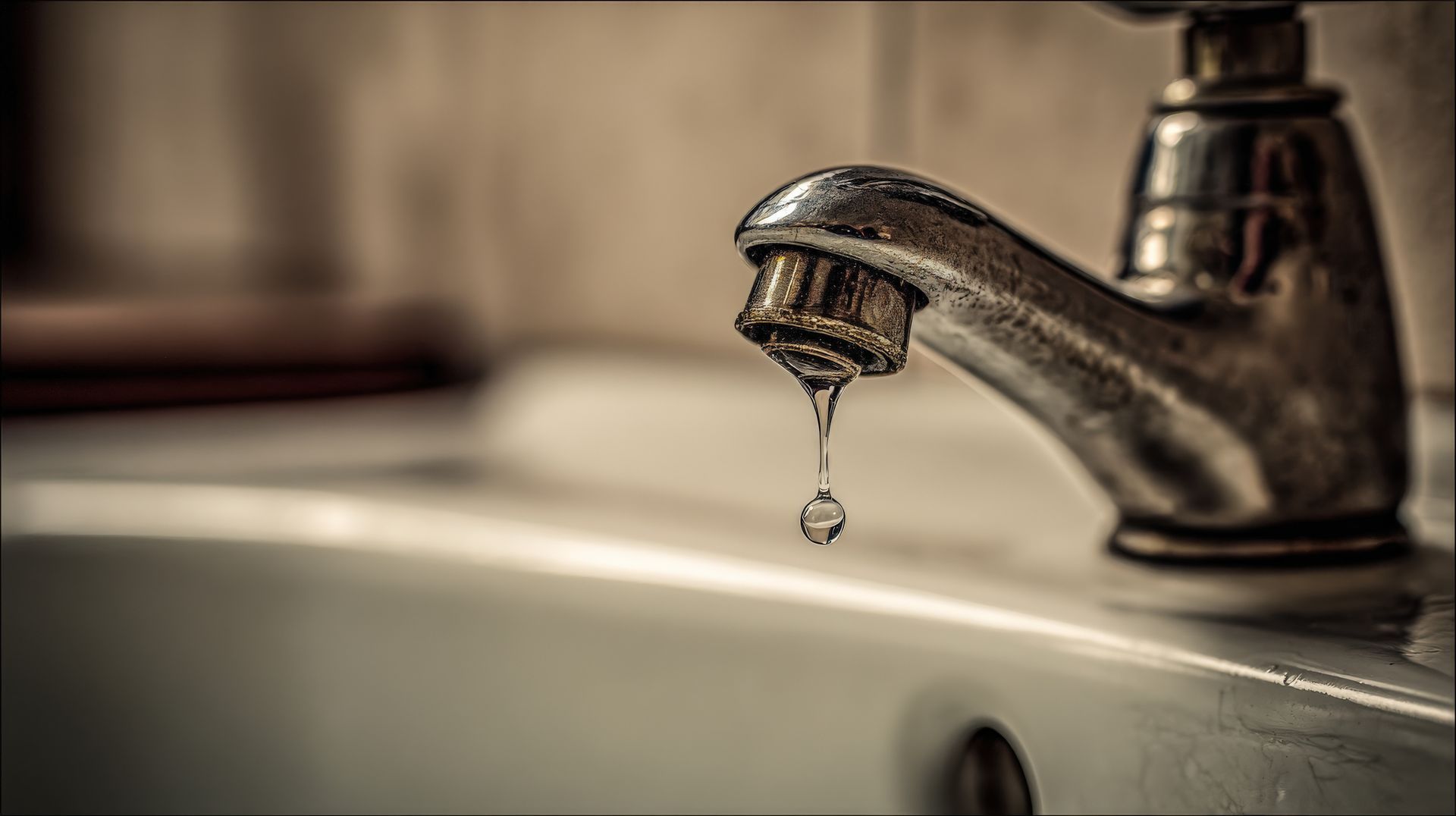
How to Identify the Cause of a Leaky Faucet
A leaky faucet might seem like a small inconvenience, but over time it can waste hundreds—or even thousands—of gallons of water and increase your monthly utility bills. Even a slow drip can add up quickly, making it important to address the issue as soon as possible.
Before jumping into repairs, it’s essential to identify the root cause of the leak. Faucets have multiple internal components, and wear and tear over time is usually the culprit.
Common Causes of a Leaky Faucet
- Worn-out washers or O-rings
- Corroded valve seats
- Loose or damaged internal parts
- Faulty cartridges or seals
- High water pressure causing stress on components
If you’re in Corpus Christi, hard water is a major factor. Mineral buildup from calcium and other deposits can wear down internal parts faster, leading to leaks and reduced efficiency.
Understanding the cause will help you choose the right repair method and avoid repeat issues.
Step-by-Step: How to Fix a Leaky Faucet in Corpus Christi
Fixing a leaky faucet is often a manageable DIY project if you have basic tools and a little patience. Follow these steps to restore your faucet and stop the drip.
Step 1: Turn Off the Water Supply
Locate the shutoff valves under your sink and turn them off completely. Then turn on the faucet to release any remaining water and pressure in the lines.
Step 2: Plug the Drain
Before disassembling anything, plug the sink drain with a stopper or cloth. Small parts like screws and washers can easily fall and get lost.
Step 3: Disassemble the Faucet
Use a screwdriver or Allen wrench to remove the handle. Depending on the faucet type—compression, ball, cartridge, or ceramic disk—the internal setup will differ slightly.
Take note of how parts are arranged or take a photo to help with reassembly.
Step 4: Inspect and Replace Worn Parts
Carefully examine washers, O-rings, seals, and cartridges. If you notice cracking, corrosion, or wear, replace those components with matching parts.
This is usually the step that resolves most leaks.
Step 5: Clean Mineral Buildup
If you see white or chalky residue, that’s mineral buildup. Clean it using vinegar or a gentle descaling solution before reassembling the faucet. This is especially important in Corpus Christi due to hard water conditions.
Step 6: Reassemble the Faucet
Put all parts back together in the correct order and tighten them securely—but avoid over-tightening, which can cause damage.
Step 7: Turn the Water Back On
Slowly restore the water supply and test the faucet. Turn it on and off a few times to ensure the leak is completely resolved.
Tools You May Need
Having the right tools on hand will make the repair process much smoother and faster.
Essential Tools:
- Adjustable wrench
- Flathead and Phillips screwdrivers
- Allen wrench (for certain faucet types)
- Replacement washers or cartridges
- Plumber’s grease
- Clean cloth or rag
If you’re unsure about the correct replacement parts, bringing the old components to a hardware store can help you find an exact match.
Types of Faucets and Why It Matters
Not all faucets are built the same, and knowing your faucet type can make repairs much easier.
Common Faucet Types:
- Compression Faucets: Use rubber washers and are more prone to leaks
- Ball Faucets: Often found in kitchens, with multiple moving parts
- Cartridge Faucets: Easier to repair with replaceable cartridges
- Ceramic Disk Faucets: Durable but may require specialized parts
Each type has slightly different repair steps, but most leaks still come down to worn internal components.
When to Call a Professional Plumber
While many faucet repairs are DIY-friendly, there are situations where calling a professional is the best choice.
Call a Plumber If:
- The leak continues after replacing parts
- You notice corrosion inside the plumbing system
- Water pressure is unusually low or inconsistent
- The faucet is older and may need full replacement
- You’re unsure about disassembly or reassembly
Hiring a licensed plumber ensures the issue is fixed correctly and prevents further damage to your plumbing system.
Why Faucet Leaks Shouldn’t Be Ignored
Even minor leaks can lead to bigger problems over time.
Potential Issues from Ignoring Leaks:
- Increased water bills
- Water damage to cabinets and fixtures
- Mold or mildew growth
- Worsening wear on plumbing components
Addressing a leak early can save you money and prevent more serious repairs later.
Preventing Future Faucet Leaks
Taking preventative steps can help extend the life of your faucet and reduce the likelihood of future leaks.
Helpful Maintenance Tips:
- Avoid over-tightening faucet handles
- Clean mineral buildup regularly
- Install a water softener if you have hard water
- Replace worn parts before they fail completely
- Schedule routine plumbing inspections
In areas like Corpus Christi, where mineral buildup is common, regular maintenance is especially important.
Get Expert Help for Leaky Faucets in Corpus Christi
Fixing a leaky faucet is a simple repair that can make a big difference in your home’s efficiency and water usage. With the right tools and guidance, many homeowners can handle this task themselves.
However, if the issue persists or you’re unsure about the repair process, professional help is always the safest and most effective option.
📞 Need help fast? Call Aim Plumbing at 361-314-2976 for expert plumbing service in Corpus Christi today!